

The stories we tell about our own choices
We like to believe that our decisions follow a simple order: first we consider the options, then we choose, and finally we explain why. Sometimes the explanation may be created only after the decision — and still feel like an accurate report of what happened.
A striking experiment demonstrated how easily this can occur. Participants looked at pairs of faces and selected the one they found more attractive. Using a card trick, the researchers occasionally handed them the photograph they had rejected. Many participants failed to notice the switch. More surprisingly, they confidently explained why they had supposedly chosen that person, referring to features such as the eyes, smile or expression.
The researchers called this phenomenon choice blindness. The participants were not necessarily lying. Their minds produced a plausible explanation for a choice they had never made.
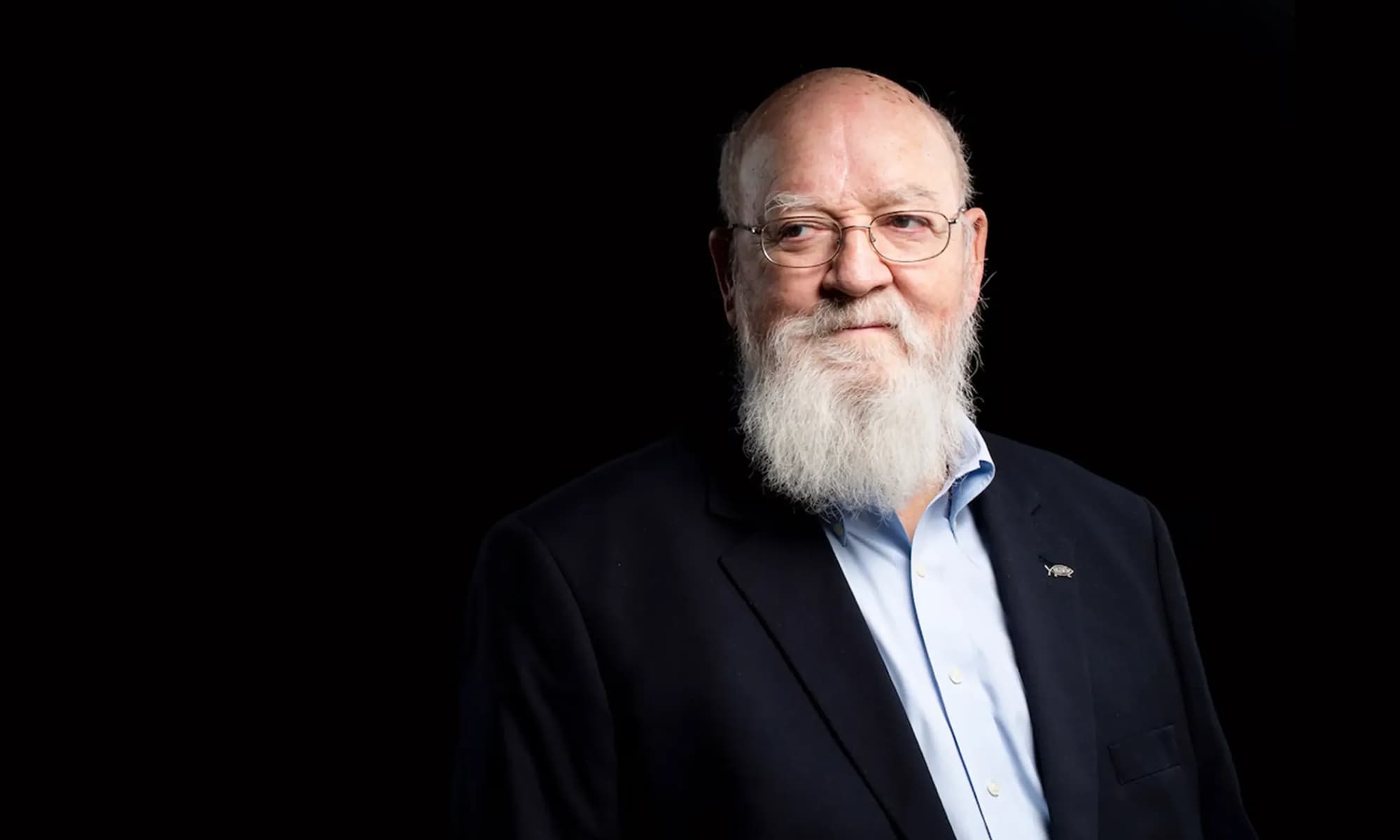
Daniel Dennett’s account of the narrative self helps explain why this feels so natural. He argued that our sense of being one consistent person is partly constructed from the stories continually produced about who we are and why we act as we do:
“Our tales are spun, but for the most part we don’t spin them; they spin us.”
Memory supplies selected details, present circumstances suggest an interpretation and the mind connects them into a coherent account. Once created, that account can become part of our identity: I chose this career because… I ended that relationship because… I bought this because…
The explanation may be correct. It may also be a reconstruction that protects our image of ourselves as rational and consistent people.
This does not mean that reflection is useless. It means that confidence in an explanation is not proof of access to the original cause. Sometimes the most honest answer to “Why did you choose that?” is not a polished story but: “I’m not completely sure.”
Sources:
- Petter Johansson, Lars Hall and Sverker Sikström — “From Change Blindness to Choice Blindness” (full article, PDF)
- Daniel C. Dennett — “The Self as a Center of Narrative Gravity”
- Daniel C. Dennett — Consciousness Explained, Chapter 13, p. 418
— Daniel C. Dennett