

Science does not need your certainty
Certainty feels like strength. In science, however, it can become a weakness.
Science does not ask us to defend an idea forever. It asks whether the idea survives observation, criticism and attempts to prove it wrong. A scientific explanation is valuable not because an important person believes it, but because other people can examine the evidence independently.
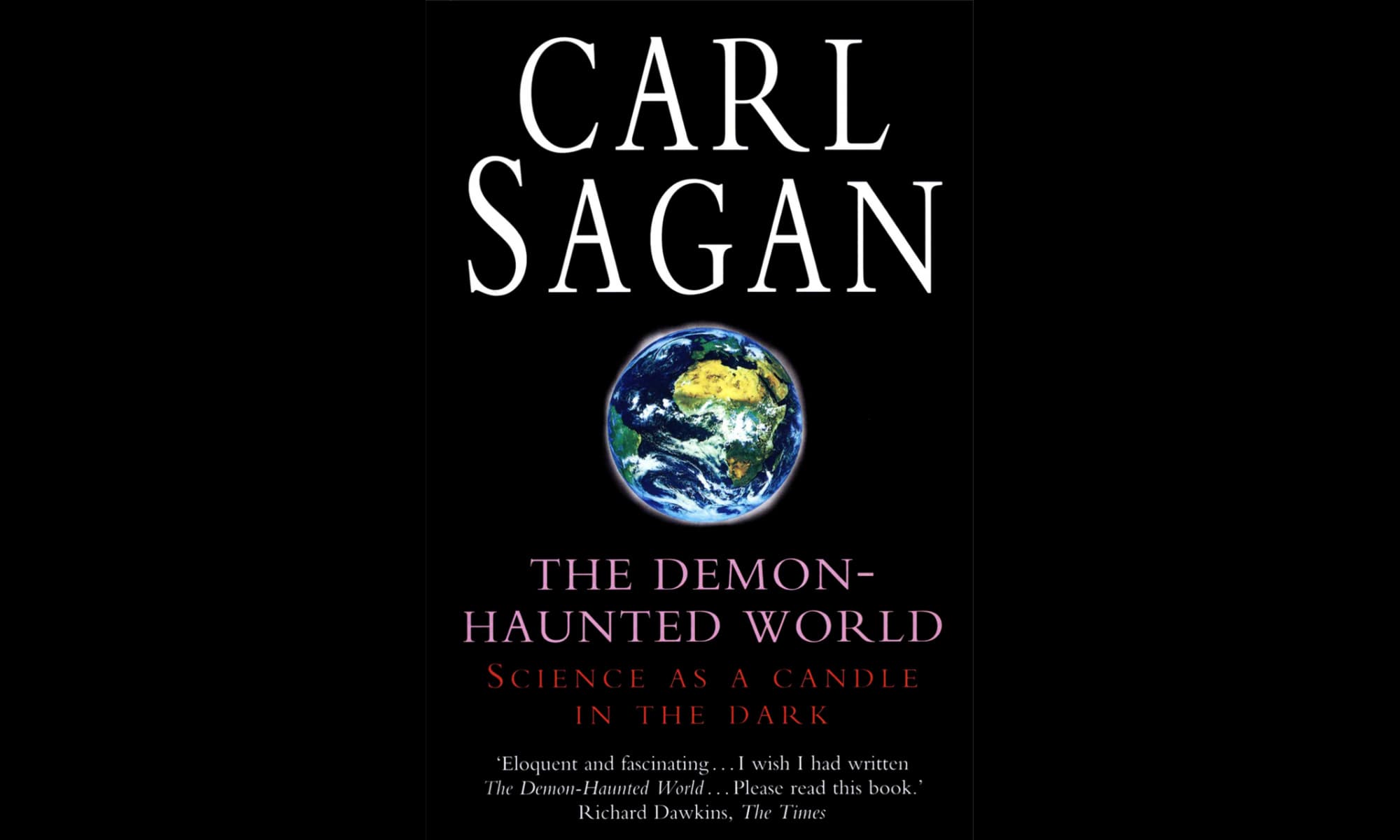
This makes changing your mind a feature of science, not an admission of defeat. Carl Sagan observed that scientists sometimes respond to a convincing argument by acknowledging that their position was mistaken. It may be uncomfortable, but replacing an inadequate explanation with a better one means that science has worked exactly as intended.
The more surprising lesson is that skepticism alone is not enough. Someone who rejects every unfamiliar idea is not necessarily more rational than someone who believes everything. One refuses possible discoveries; the other cannot distinguish discovery from nonsense. Sagan argued for a balance between openness and rigorous examination:
“It’s okay to reserve judgment until the evidence is in.”
This is harder than choosing a side immediately. Saying “I don’t know yet” provides none of the emotional satisfaction of certainty. It does, however, protect us from turning first impressions, authority or personal preference into facts.
Science remains reliable precisely because it does not claim to be infallible. Its conclusions are provisional: strong enough to use when supported by evidence, but always open to correction. An unanswered question is not an embarrassment that must be concealed with speculation. It is simply a place where investigation can begin.
The scientific habit is therefore not believing nothing. It is giving every claim only as much confidence as the available evidence deserves.
Source: Carl Sagan — “The Burden of Skepticism”, Skeptical Inquirer
— Carl Sagan