

Homo Sapiens 2.0 or actually GMO Homo Sapiens.
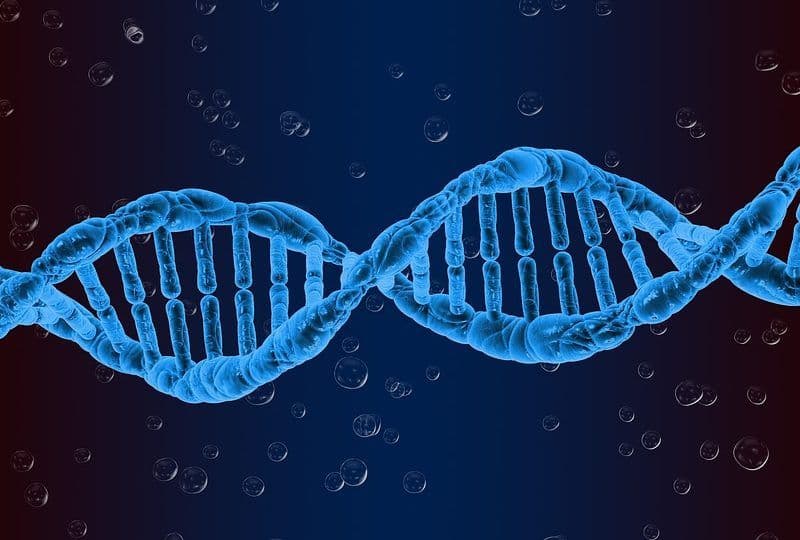
Homo Sapiens 2.0—or GMO Homo Sapiens?
After four billion years of evolution by one set of rules, our species may be about to begin evolving by another.
Advances in genetics, artificial intelligence and data analysis are giving us tools that could one day alter the genetic makeup of future children. These technologies may help eliminate inherited diseases, cure cancers and allow people to live longer and healthier lives.
The same tools, however, could also be used to select or modify characteristics unrelated to disease. Embryo selection and gene editing may eventually influence physical features, intelligence and other human traits.
Metzl does not argue that this genetic revolution should be stopped. He believes that humanity will embrace technologies capable of preventing disease and reducing suffering. But he also warns that genetic enhancement could create deep divisions, encourage new forms of eugenics, reduce genetic diversity and even contribute to conflicts within and between countries.
The genetic era has already begun. The question is not simply whether these technologies will be used, but how they will be used and who will participate in making those decisions.
Because the consequences may alter the evolutionary direction of our entire species, Metzl calls for a global conversation about the future of human genetic enhancement.
A thought of my own: perhaps one day genetic technologies could also help reduce the human tendency towards aggression. Aggression is shaped by many biological, psychological and social factors, so it is unlikely that we will find one gene responsible for it. Yet if we ever learn how to limit its most destructive forms, this could be one of the greatest benefits of genetic research. Human aggression has been one of our species’ most serious problems for at least the last several thousand years.
Source:
Jamie Metzl, “Homo Sapiens 2.0? We Need a Species-Wide Conversation About the Future of Human Genetic Enhancement”, TechCrunch, 1 May 2016.