

Why we keep mistaking confidence for competence
Confidence is visible. Competence often is not.
A confident person speaks without hesitation, maintains eye contact and gives clear answers. None of these behaviours proves that the answer is correct. Yet our minds easily treat a smooth, coherent performance as evidence of knowledge.
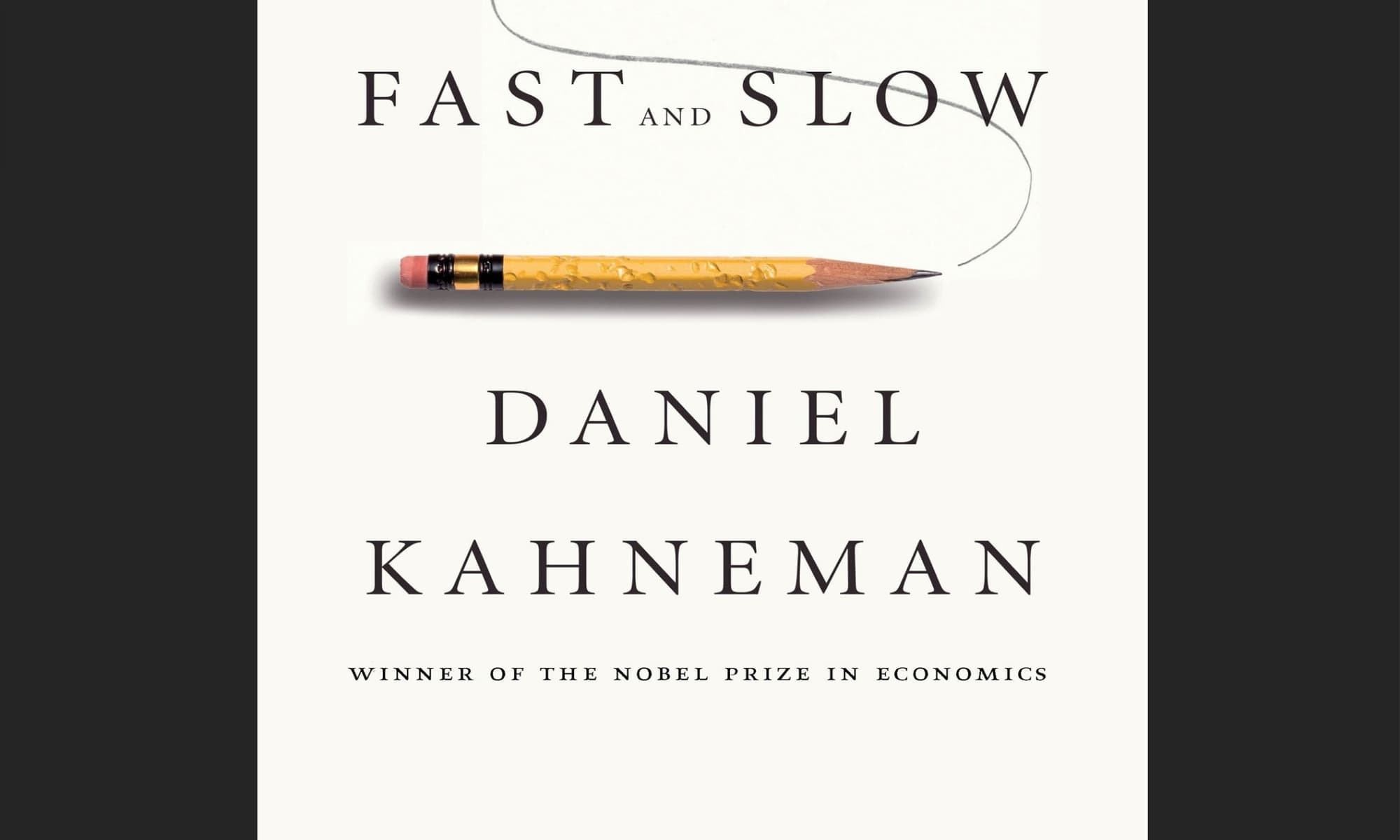
Daniel Kahneman experienced this while working as a psychologist for the Israeli army. His team observed soldiers completing a leadership exercise and confidently predicted which of them would become successful officers. Later, they discovered that their predictions had little value. The surprising part was not simply that they had been wrong. Even after learning this, their confidence in subsequent predictions remained almost unchanged. Kahneman called this the illusion of validity.
“…a puzzling limitation of our mind: our excessive confidence in what we believe we know, and our apparent inability to acknowledge the full extent of our ignorance and the uncertainty of the world we live in. We are prone to overestimate how much we understand about the world and to underestimate the role of chance in events. Overconfidence is fed by the illusory certainty of hindsight.”
Confidence is usually produced by the coherence of the story in our minds, not by an objective measurement of the evidence. When the available facts fit together neatly, the conclusion feels true—even when the information is incomplete.
Research associated with the Dunning–Kruger effect suggests an additional problem: some of the knowledge needed to perform a task well is also needed to recognise poor performance. A person may therefore make a mistake without possessing the skills required to see it.
Experts can sound less certain because they notice exceptions, missing information and alternative explanations. Their hesitation may reflect deeper understanding rather than weakness.
Confidence still has value. It helps people act, persuade and lead. But it should never be treated as proof of competence. When accuracy matters, look for reasoning, evidence and results. A confident voice is not data.
Source: Daniel Kahneman, Thinking, Fast and Slow
— Daniel Kahneman