

Belief without evidence, and why it feels good
A belief does not have to be true to make us feel better. It only has to remove uncertainty.
An unsupported explanation can turn frightening randomness into a story, promise justice where none is visible and make suffering appear meaningful. It may also give us membership in a group whose members confirm the same ideas to one another. The comfort is real, even when the explanation producing it is not.
This creates a tempting reversal. Instead of asking whether the evidence supports a belief, we notice how the belief makes us feel and treat that feeling as evidence. An idea seems true because it is reassuring, familiar or shared by people we trust.
Christopher Hitchens expressed the principle in one sharp sentence:
“What can be asserted without evidence can also be dismissed without evidence.”
This principle, now commonly called Hitchens’s razor, does not prove that every unsupported claim is false. It establishes who carries the burden of proof. If someone claims to know that an invisible power controls events, opponents are not required to disprove every imaginable version of that power. The person making the claim must first provide reasons for accepting it.
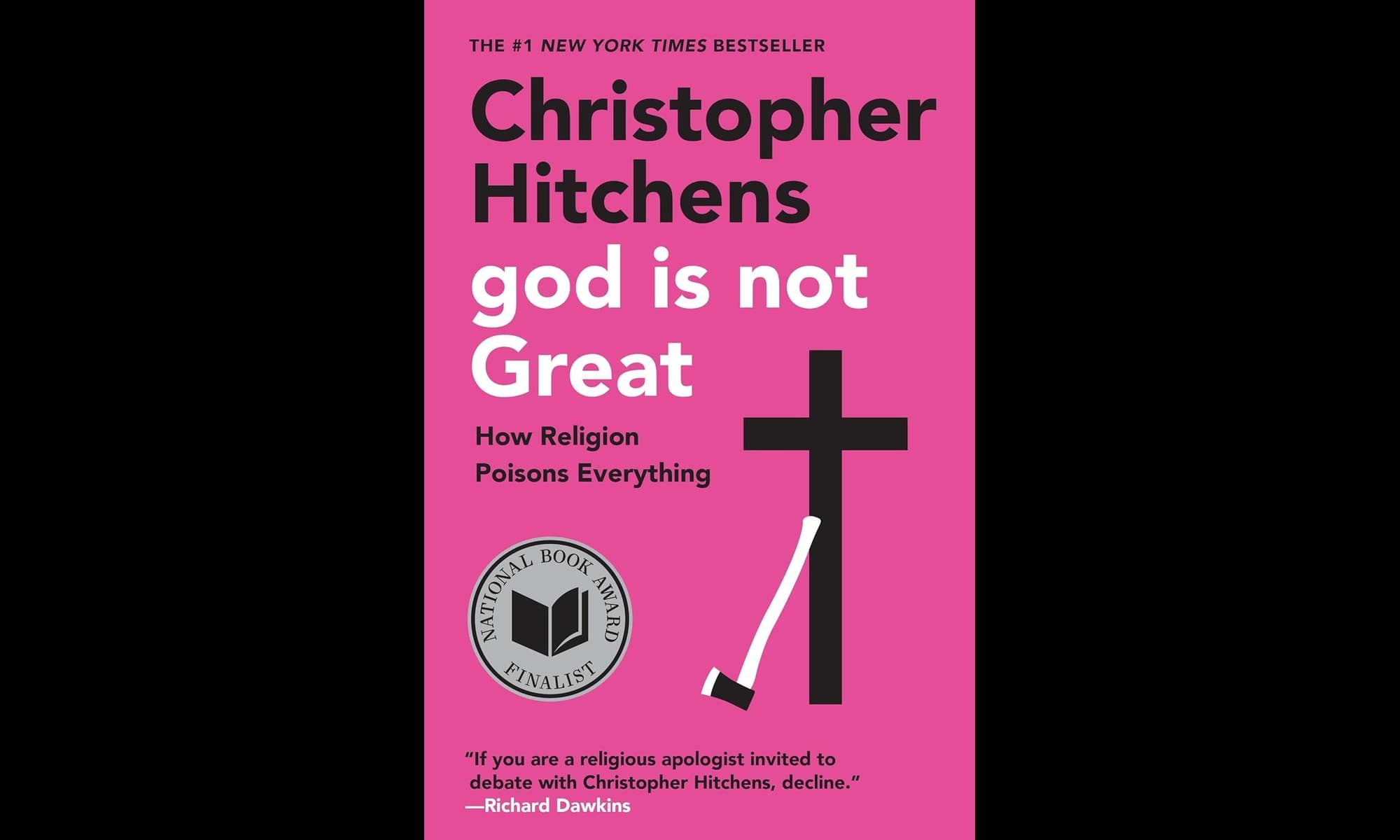
Four years before publishing God Is Not Great, Hitchens applied the same principle to the alleged miracles attributed to Mother Teresa:
“Forgotten were the elementary rules of logic, that extraordinary claims require extraordinary evidence and that what can be asserted without evidence can also be dismissed without evidence.”
The uncomfortable part is that evidence does not promise emotional relief. Reality may be indifferent, an injustice may remain unresolved and an important question may have no available answer. “I don’t know” can therefore require more courage than a confident explanation.
Belief becomes dangerous when the comfort it provides protects it from examination. If doubt is treated as betrayal and contradictory evidence as an attack, the idea can no longer be corrected. What initially offered reassurance begins controlling what its believers are permitted to notice.
Comfort can explain why we want something to be true. It cannot tell us whether it is true.
Sources:
- Christopher Hitchens — “Mommie Dearest”, Slate (2003)
- Christopher Hitchens — God Is Not Great, Chapter 10: “The Tawdriness of the Miraculous and the Decline of Hell”
— Christopher Hitchens